

 22 December 2025
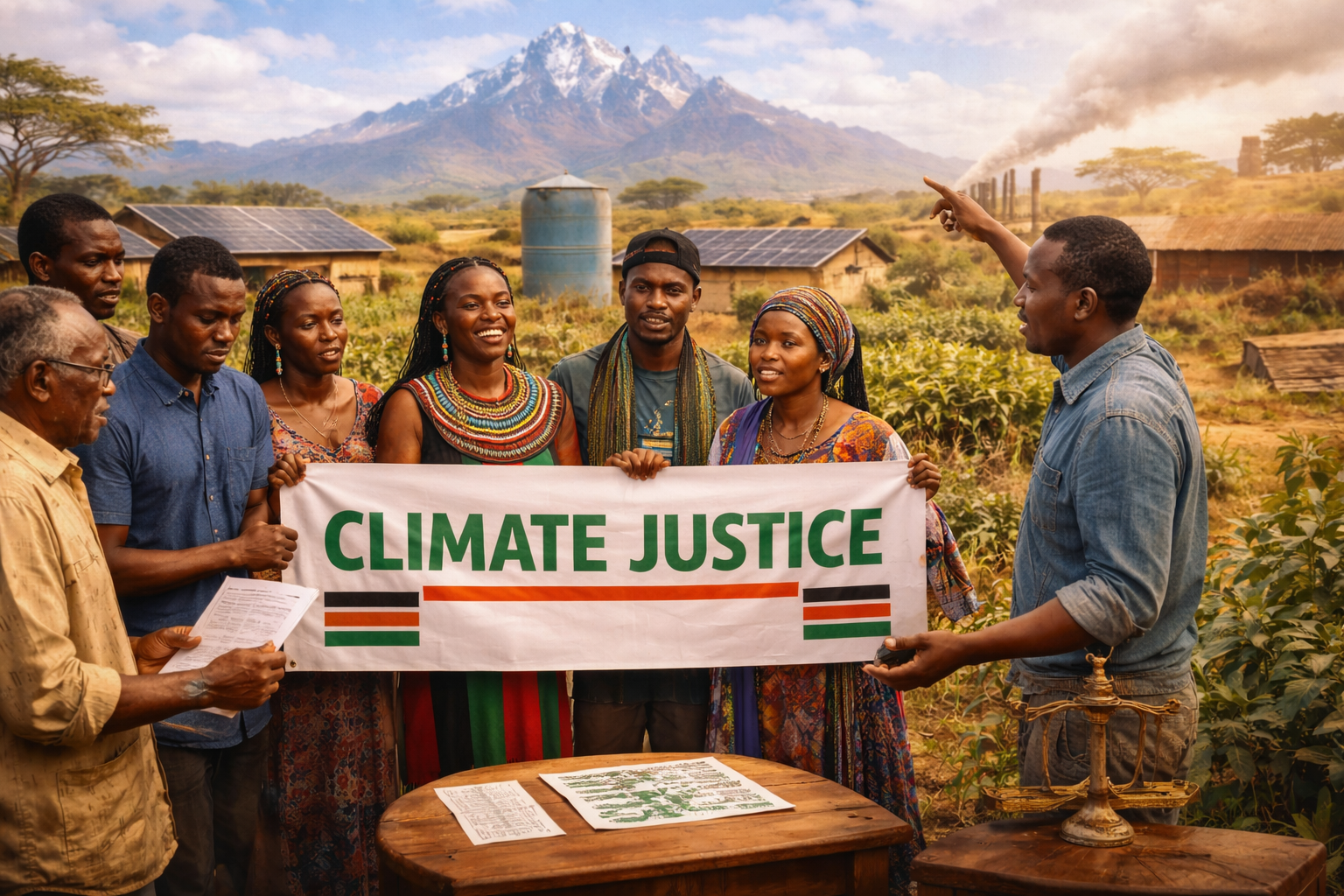
Climate change is no longer a distant concern. In Kenya, communities are already experiencing its effects through flooding, droughts, coastal erosion, and environmental degradation. Climate justice focuses on ensuring that those most affected by environmental harm have access to protection, participation, and remedies under the law.
Kenyan law provides a strong foundation for climate justice, particularly through constitutional and environmental legislation.
What is climate justice?
Climate justice recognises that:
- Environmental harm affects communities unequally
- Vulnerable groups often suffer the greatest impact
- Legal systems should protect present and future generations
It goes beyond environmental protection to include fairness, accountability, and participation in decision-making.
Constitutional protection of environmental rights
Kenya is one of the few countries that explicitly guarantees environmental rights in its Constitution.
Article 42 of the Constitution of Kenya (2010) provides that every person has the right to a clean and healthy environment. This right includes:
- Protection from environmental harm
- Access to environmental information
- Participation in environmental decision-making
These rights apply to individuals, communities, and organisations.
Key environmental laws supporting climate justice
Several statutes give effect to constitutional rights, including:
- Environmental Management and Coordination Act (EMCA)
- Climate Change Act, 2016
- Environmental Impact Assessment Regulations
These laws impose duties on both public authorities and private actors.
Who can bring environmental claims?
Kenyan law adopts a broad approach to standing. Under Article 70 of the Constitution:
- Any person may bring a claim
- No proof of personal loss is required
This allows communities, civil society organisations, and public interest groups to take action even where harm is collective or future-based.
Common climate justice issues in Kenya
Climate justice cases often arise from:
- Coastal erosion and displacement
- Industrial pollution
- Unsustainable development projects
- Resource extraction affecting local livelihoods
In coastal areas like Mombasa and surrounding counties, climate-related legal issues are increasingly linked to development, tourism, and marine ecosystems.
Legal remedies available
Courts may grant:
- Environmental restoration orders
- Injunctions stopping harmful activities
- Compensation for damage
- Orders compelling government action
Courts have shown willingness to enforce environmental rights where violations are proven.
Role of communities and NGOs
Community participation is central to climate justice. Communities can:
- Participate in public hearings
- Challenge unlawful approvals
- Engage regulatory bodies such as NEMA
Legal support helps communities navigate complex procedures and evidence requirements.
Why legal guidance matters
Environmental cases involve technical reports, statutory compliance, and procedural rules. Early legal advice strengthens claims and prevents costly missteps.
By Annah Kamau, Founder – A.N. Kamau & Co. Advocates